

AI banking is here. Most banks and credit unions have not prepared for it.
Customers are using AI to manage their finances whether financial institutions invite them to or not. They’re moving their business to institutions that give them a secure way to bank with AI.
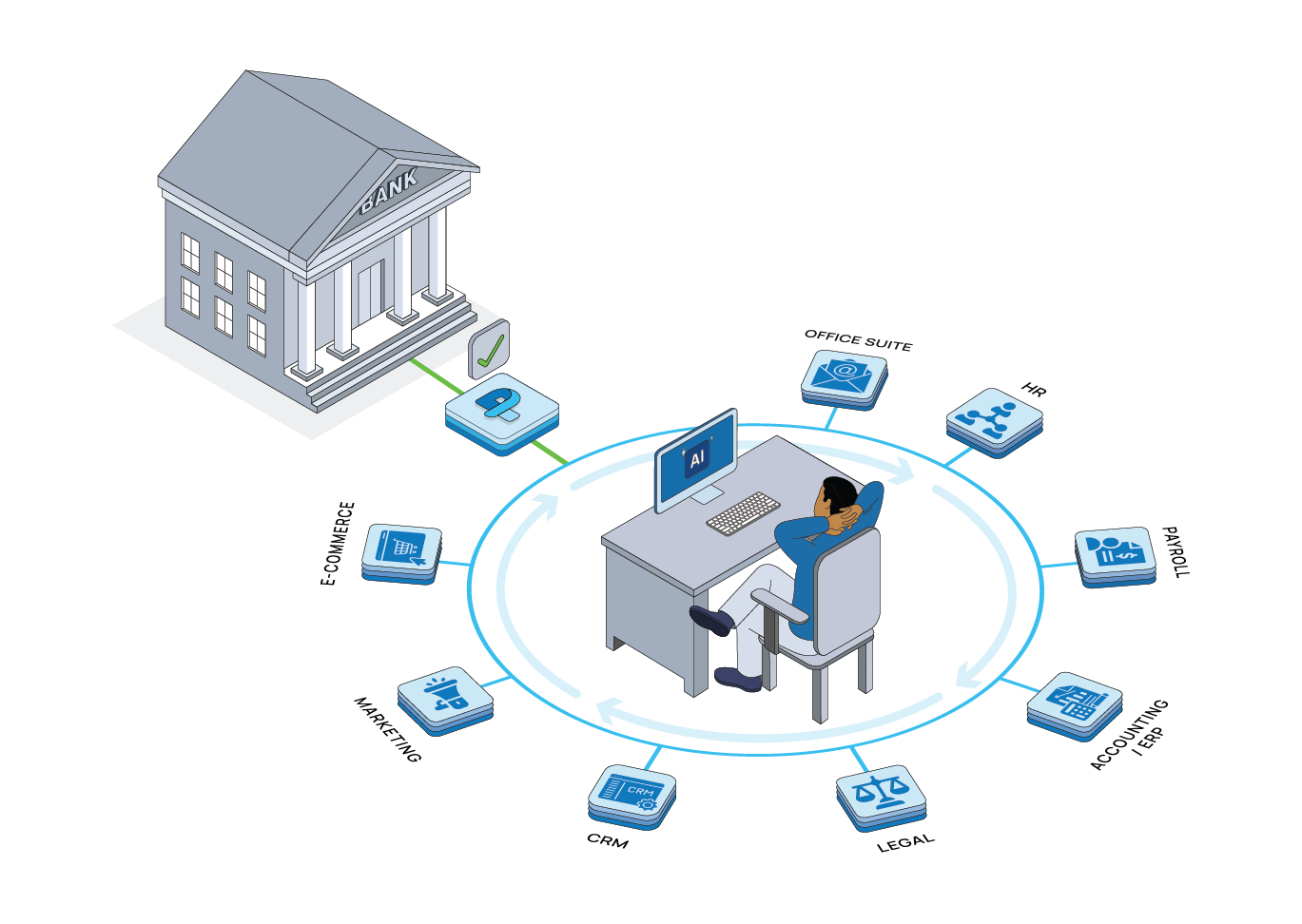
Your customers are already banking with AI.
They haven’t asked your permission because they don’t need it.
You may not register how many of your customers are already banking with AI because they pick their own AI tools, and those tools run outside your systems. Much of what looks like fraud to your systems is actually growing demand for you to offer AI-enabled banking.

AI puts your customer relationships, security and compliance at risk.
AI agents and software programs now automate the financial workflows your customers used to manage by hand. When an AI tool can handle that work without your institution involved, you lose ownership of the relationship.
Your controls have a gap as well. Legacy risk systems cannot tell the difference between a misbehaving AI agent and a bad actor. The compliance frameworks most banks and credit unions rely on were written for a world where humans initiated every transaction. That world no longer exists.
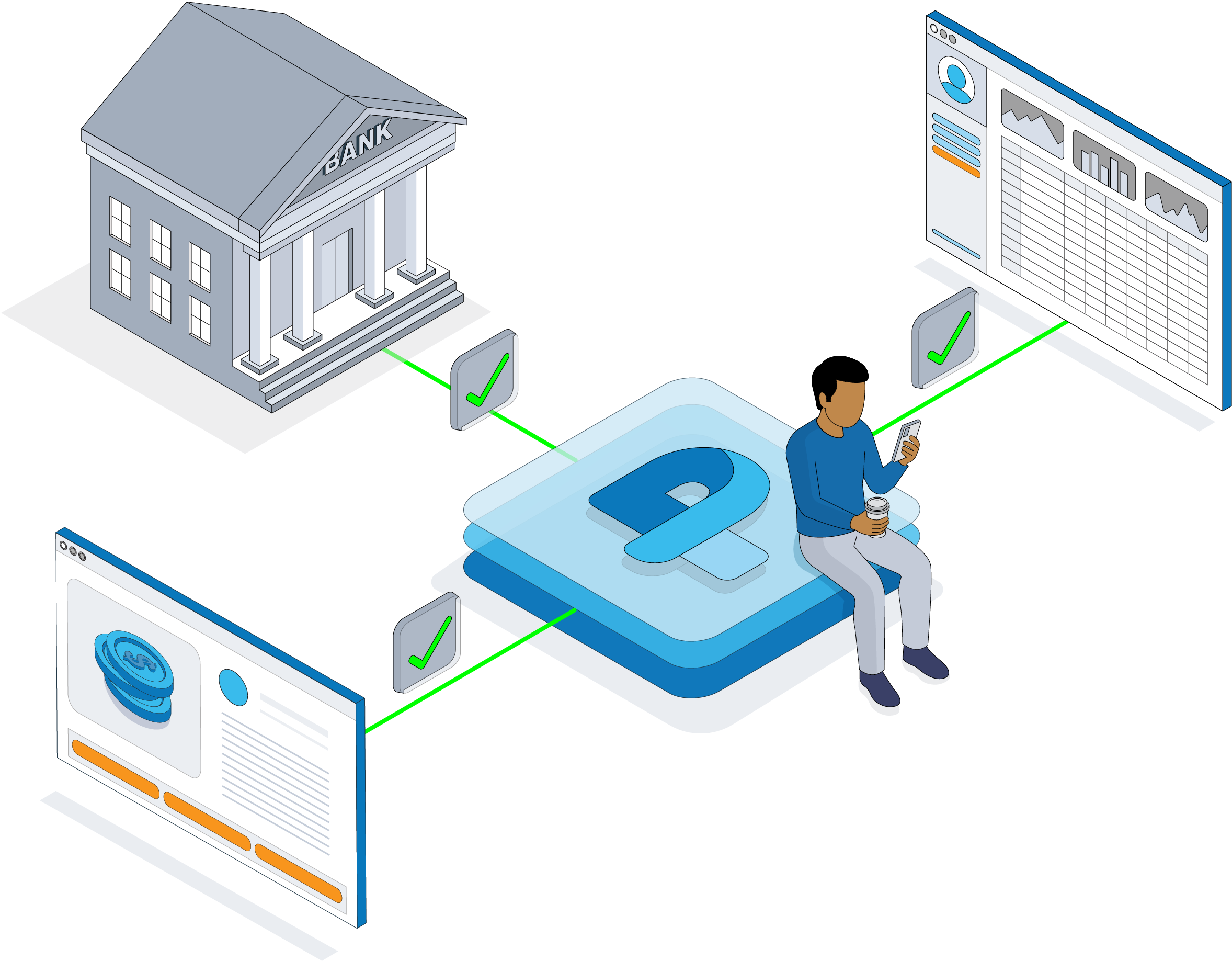
This is the era of programmable banking.
Customers connect to their financial institution through AI, on their own terms. The institution provides a secure, compliant connection point.

Most paths to modernization don’t work in the programmable banking era. Paywhere was built for it.
Paywhere is the engine of programmable banking for banks and credit unions. It gives your institution the secure, compliant connection point your customers need to bank with AI. It works alongside your existing systems and keeps you in full control.

A full core replacement takes years and costs that reach into the tens or hundreds of millions.

Intermediaries move faster, but your customer economics end up on someone else's platform.

Integration partners can build something custom, but only if you have an engineering team to manage it.
Your institution keeps your customer relationships, controls the product roadmap, and owns the economics.
See how Paywhere can bring AI banking to your institution.
Safely connect the AI tools your customers already use to your existing systems. No core replacement, no engineering team, live in just weeks.